Why Is The Aircraft Air Always So Dry?
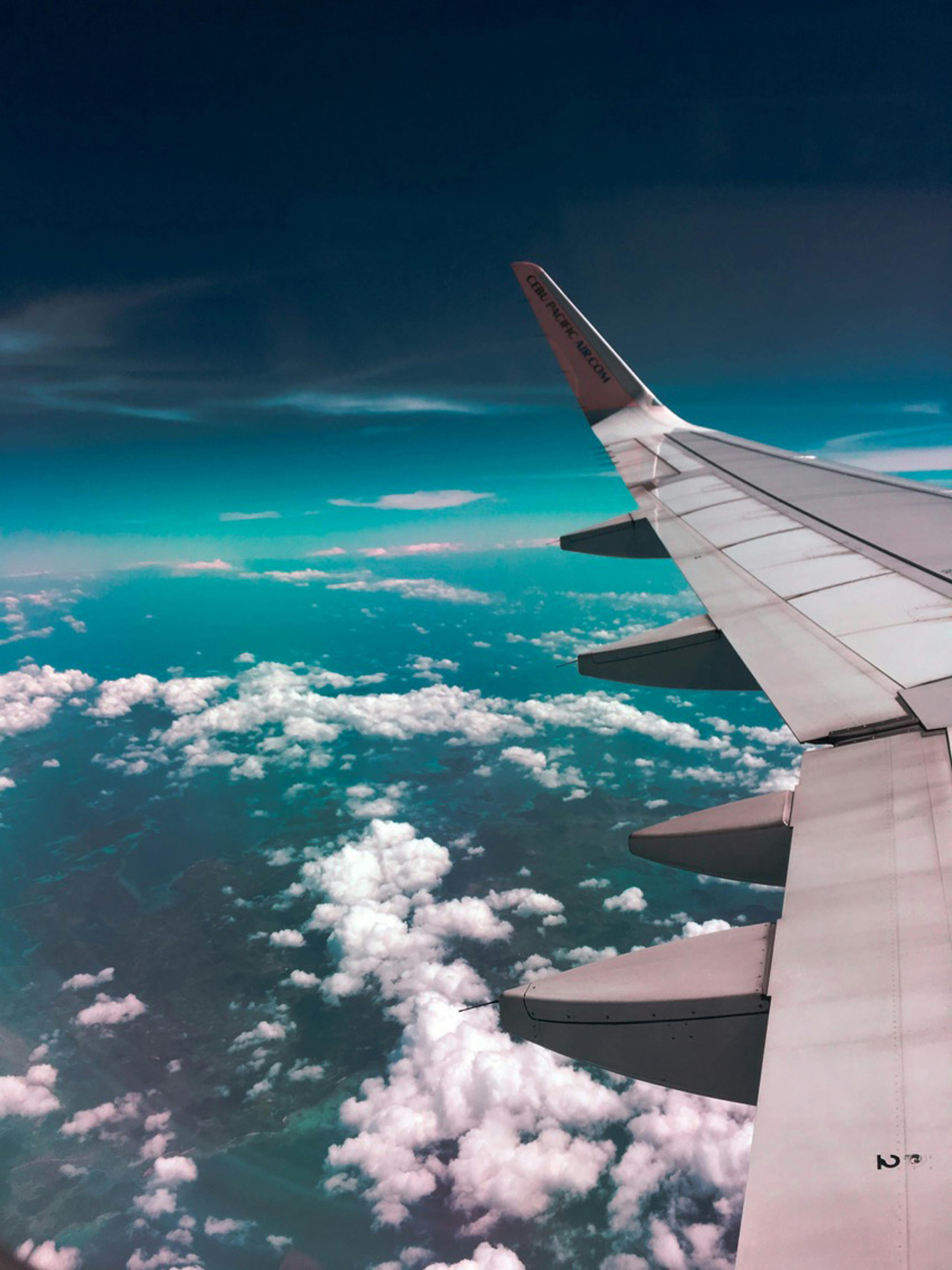
There is no doubt, flying is an unique experience, offering breathtaking views and the convenience of swift travel across long distances. Though have you ever felt dry, thirsty and tired after a long flight? If the answer is yes, just keep reading and we are going to explain why!
As you may know oxygen level at high altitude is very low, so to maintain a safe and comfortable environment for everybody on board, aircraft cabins are usually pressurised to an altitude of about 6,000 to 8,000 feet above sea level . To make the air in the aircraft breathable, it must be compressed and regulated in temperature before being introduced into the cabin.
How is air introduced in the cabin?
Most modern jet aircrafts get fresh air from their engines. Part of this air is used for combustion. The air not used for combustion gets "bled" from the engine compressor. However the air at this stage is very hot and really high in pressure!
The hot, compressed bleed air then passes through a series of pressure reducing valve and then pre-cooled to an acceptable level(still around 100°c) before it enters the aircraft pneumatic system.
The aircraft then uses air conditioning packs to cool the air to a pleasant temperature and finally transferred to the cabin.
The pressurization level within the cabin is controlled by outflow valves, which regulate the amount of air allowed to exit the cabin. By adjusting these valves, the system can maintain the desired cabin pressure.
Air inside the cabin is constantly being refreshed with outside air to maintain oxygen levels and remove contaminants. This continuous exchange means that the air inside the cabin cannot retain much humidity, as it is always being replaced with dry air from outside.
So the reason why the cabin air is so dry , is mostly because of the naturally low humidity at high altitude. Also, humidity levels are kept deliberately low to reduce the risk of corrosion of the airframe and electrical components.

The effects on the human body of the dry air are different.
Below I have listed some of these effects and some tips on how to deal with them.
Dehydration: The dry air can cause increased fluid loss through breathing and evaporation from the skin. This can lead to mild dehydration, characterized by dry mouth, thirst, and a feeling of tiredness. Staying hydrated is essential. Drink plenty of water during the flight. It's probably something you wouldn't want to hear but you should avoid as much as you can caffeine and alcohol, as they contribute to dehydration!
Dry Eyes: You may also experience dry, itchy eyes, especially if you wear contact lens. My suggestion is to take with you eye drops and apply them regularly to keep your eyes moist and comfortable.
Dry Skin: The dry air in the cabin could dry your skin very quickly. Use a good moisturizer and consider carrying a small bottle of hydrating mist to spray on your face. Lip balm can help prevent dry, chapped lips.
Respiratory Irritation: The dry air can irritate the mucous membranes in the nose and throat, leading to a dry throat and nasal passages, which can be uncomfortable and increase susceptibility to infections. You could use a nasal spray to maintain moisture in your nasal passage.
Fatigue and Discomfort: The combined effects of dehydration and low humidity can contribute to feelings of fatigue and general discomfort during and after the flight. Try wear breathable and comfortable clothing to help your body regulate its temperature and maintain moisture.


Comments
Post a Comment